
Matcha is no longer a niche green powder. Sales have climbed roughly 30% percent in the past year, making it one of the fastest-growing health trends! The reason is straightforward: it delivers real, noticeable benefits that fit modern wellness goals.
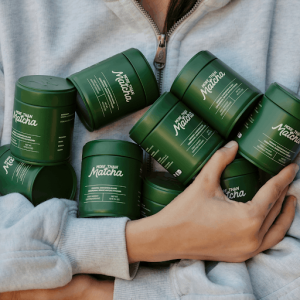
Unlike coffee, matcha combines caffeine with L-theanine, an amino acid that promotes calm focus. The result is steady energy and mental clarity without the sharp spike, jitters, or afternoon crash. It is also exceptionally rich in antioxidants, particularly EGCG (epigallocatechin gallate), which helps protect cells from oxidative stress. Add chlorophyll, vitamins, and other plant compounds, and you have a daily drink that supports energy, focus, immune function, and overall cellular health. These are the reasons matcha has moved from specialty cafes into everyday routines.
Why Matcha Supports Steady Energy and Focus
The science behind matcha is practical. The L-theanine and caffeine work together to improve attention and reduce the stress response that often comes with regular caffeine. The high concentration of catechins supports the body’s natural defenses and helps manage inflammation. Because the entire tea leaf is consumed (rather than steeped and discarded), you get a denser nutrient profile than standard green tea. People who switch often report clearer mornings, more consistent energy through workouts, and fewer of the mid-day slumps that used to send them searching for another coffee.
This is why matcha fits so cleanly into current wellness priorities: sustained energy, mental clarity, and antioxidant support without artificial stimulants or complicated supplements.
Matcha Ritual for Home Wellness and Workouts
The trend is not only about the drink itself. It is about how people are using it. Wellness has shifted into the home, and matcha has become a simple daily ritual that pairs especially well with movement.
Many people now prepare a cup of matcha before yoga, strength training, or a walk. The act of whisking creates a short, intentional pause. The color, the texture, and the first sip pull attention into the present moment. That calm focus then carries into the workout. Instead of rushing through a session on pure stimulation, people report feeling more grounded and present. A few minutes of matcha ceremony before training turns an ordinary morning into something that supports both body and mind.
No elaborate setup is required. A bowl, a whisk, and good matcha are enough. The ritual itself becomes part of the wellness practice.
What to Look for in Quality Matcha
Not every product labeled “matcha” delivers these benefits. Taste and nutrient density depend heavily on how the tea is grown and processed. Here is what to look for in quality matcha:
- Ceremonial Grade: the highest quality, intended for drinking rather than cooking. It offers smoother flavor and higher concentrations of beneficial compounds.
- First Harvest: leaves picked in the earliest spring flush. These are more tender, more vibrant in color, and richer in nutrients. Later harvests tend to be coarser and more bitter.
- From Japan: traditional Japanese growing methods, especially in regions like Kagoshima, use shade-growing techniques that increase L-theanine and deepen the umami flavor while producing the bright green color associated with high-quality matcha.
- 100% Organic and pure: no fillers, no blended lower grades, and nothing added. Just pure stone-ground tea leaves.
When any of these standards is missing, the drink often tastes grassy or harsh and provides a weaker experience. Quality matcha directly affects both enjoyment and the health benefits you receive.
Perfect Daily Matcha Recipe (More Than Matcha recommended)
A reliable daily matcha method is simple:
Sift 1 to 1.5 teaspoons of ceremonial matcha into a bowl.
Add about ¼ cup of hot filtered water (around 125°F, not boiling).
Whisk quickly in a W or M motion until a light foam forms.
For a matcha latte, prepare the matcha the same way, then add ½ cup of milk (oat, almond, or dairy) with a small amount of maple, honey, or agave if desired. Iced matcha works the same way with cold milk and ice. The process takes under three minutes and fits easily before a workout or at the start of the day.
Final Matcha Recommendation
After trying multiple options, the ceremonial matcha from More Than Matcha stands out as the clear favorite for consistent quality and daily use. It meets every standard above: 100% organic, first harvest, shade-grown in Kagoshima, Japan, and pure with no additives. The flavor is smooth with natural umami and no bitterness, and it reliably delivers the calm, focused energy that makes matcha worth drinking every day.
Matcha has earned its place as one of the biggest wellness trends right now because the health benefits are tangible and the ritual is simple enough to sustain. When the quality is right, it becomes an easy, effective part of a home wellness practice.